6 Signs Your Car Transmission Needs Immediate Attention
Maintaining a vehicle requires constant vigilance, especially when it comes to the complex systems that keep you moving. Among these, the gearbox is arguably one of the most vital components, serving as the bridge between the engine and the wheels. While many drivers focus on oil changes and tire rotations, they often overlook the early warnings that the drivetrain is struggling. Recognizing the signs that indicate you need professional intervention can be the difference between a simple fix and a complete mechanical failure. Taking care of your vehicle means staying ahead of wear and tear before it leaves you stranded on the shoulder of a busy highway.
The health of your vehicle depends on how well you listen to its mechanical cues. Many drivers assume that minor hiccups are just part of an aging car, but ignoring these signals can lead to a snowball effect of damage. When your car starts behaving differently, it is rarely a fluke. It is an intentional signal that something deep within the machinery requires an expert eye. By understanding the common red flags, you can ensure that your vehicle remains a reliable partner for your daily commute and long-distance travels alike. We must be proactive in our approach to automotive care to maintain the longevity we expect from modern engineering.
1. Identifying Unusual Grinding or Shaking Sensations
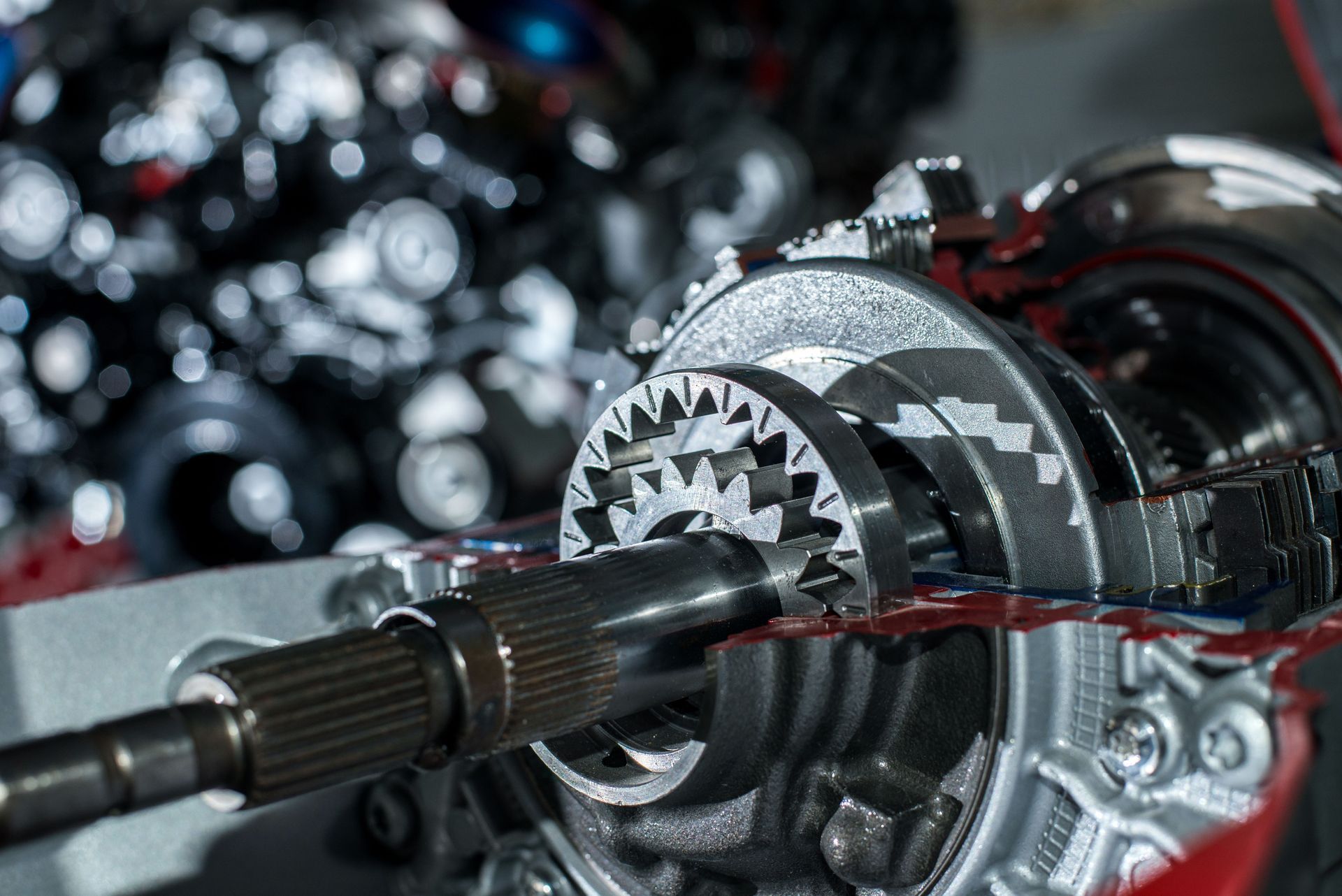
One of the first indicators that something is wrong involves the physical sensation of the drive. When these grinding or shaking sensations occur, they often point toward worn internal components or synchronization issues that demand transmission repairs to resolve effectively. Letting these vibrations persist can damage surrounding gears and shafts, leading to a much more expensive visit to the shop. When the internal mechanics are no longer aligned, the friction creates heat and physical resistance. Because the drivetrain is responsible for transferring power, any interruption in that flow is felt immediately by the driver. Addressing these physical tremors early on ensures that the internal components do not suffer from excessive metal-on-metal contact. Consistent maintenance and timely transmission repairs are the only ways to stop these vibrations from becoming a permanent fixture of your driving experience.
2. Recognizing the Smell of Burning Fluid
Your nose is often as good a diagnostic tool as your ears. If you step out of your car and notice a faint, acrid smell similar to burning rubber or tart oil, you should be concerned. This odor usually indicates that the fluid responsible for lubricating the gears is overheating. This fluid is essential for keeping the system cool and functional. When it breaks down due to excessive heat, it loses its ability to protect the metal parts, leading to increased friction. As it ages or overheats, it turns dark and emits a foul odor. If the fluid is burning, it means the system is running too hot, which is a leading cause of total component failure. According to CarTalk, transmissions are designed to last the full lifespan of a vehicle, typically reaching around 250,000 miles. However, that longevity is entirely dependent on the quality of the lubrication. If the fluid is burnt, the protection is gone, and transmission repairs become an immediate necessity to flush the system and inspect for permanent heat damage to the seals and clutches.
3. Monitoring Slipping Gears During Acceleration
If you are driving and suddenly feel the engine revving higher without a corresponding increase in speed, your gears may be slipping. Slipping is a major safety concern because it compromises your ability to accelerate when merging or passing. Prompt transmission repairs are required to diagnose whether the issue is caused by low fluid levels or worn-out friction plates. Drivers who ignore slipping often find themselves unable to move the vehicle at all within a few weeks. Prioritizing transmission repairs when the slipping first begins can save the internal housing from being shredded by loose components and erratic shifting patterns.
4. Detecting Leaks of Specialized Red Fluid
Puddles on your driveway are never a good sign, but the color of the liquid tells a specific story. If you see a bright red or dark brown oily spot under the middle of your car, you are likely looking at a fluid leak. Unlike engine oil, which can be topped off occasionally, the shifting system is a closed loop. Any loss of fluid is a direct threat to the functionality of the vehicle. Fast transmission repairs are the only way to seal the system and restore proper pressure. The source of the leak must be found and repaired to ensure the vehicle remains operational. When we see red fluid on the ground, we know that the internal parts are at risk of grinding together. Scheduling transmission repairs to fix a simple seal is much more cost-effective than replacing the entire unit due to fluid starvation.
5. Observing Delays in Gear Engagement
When you shift from "Park" to "Drive," the vehicle should respond almost instantly. If there is a noticeable pause of several seconds where the engine revs but the car doesn't move, you are experiencing delayed engagement. Seeking transmission repairs can help identify if there is a blockage in the valve body or if the pump is beginning to fail. This hesitation is not just an annoyance; it is a symptom of a system that is struggling to function. These jarring entries into gear cause physical damage to the drivetrain mounts and the gears themselves. Investing in transmission repairs early allows a technician to clean the system or replace failing sensors before the mechanical lag turns into a complete mechanical standstill.
6. Listening for Strange Clunking or Whining Noises
Every car has a unique set of sounds, but clunking, humming, or whining is never normal. If you hear a high-pitched whine that changes in pitch as you accelerate, it often points to a problem with the torque converter or the fluid pump. Conversely, a heavy clunking sound when the car shifts gears suggests that internal parts are loose or that the mounts are failing. These noises are the "cries for help" from your vehicle's underside. Professional transmission repairs can silence these noises by replacing worn bearings or tightening internal components. A whining sound that gets louder over time usually indicates that a component is being starved of fluid or is wearing down to its base metal. If you ignore these auditory warnings, the noise will eventually be followed by a catastrophic mechanical failure. By paying attention to the specific sounds your car makes, you can provide valuable information to a mechanic during
transmission repairs.
Taking care of your car requires attention to detail and a willingness to act when things don't feel right. From the way the car shifts to the smells it produces, every detail matters in keeping your vehicle on the road. We understand how important it is to have a car that you can rely on for your family and your career. If you have noticed any of these red flags, it is time to seek professional help to ensure your car stays in peak condition. At East Side Exhaust Inc, we provide the expertise needed to keep your drivetrain running smoothly for years to come. Call us today to learn more about how we can help you stay safe on the road.


Share On: