Exhaust Systems 101: What Every Driver Should Know
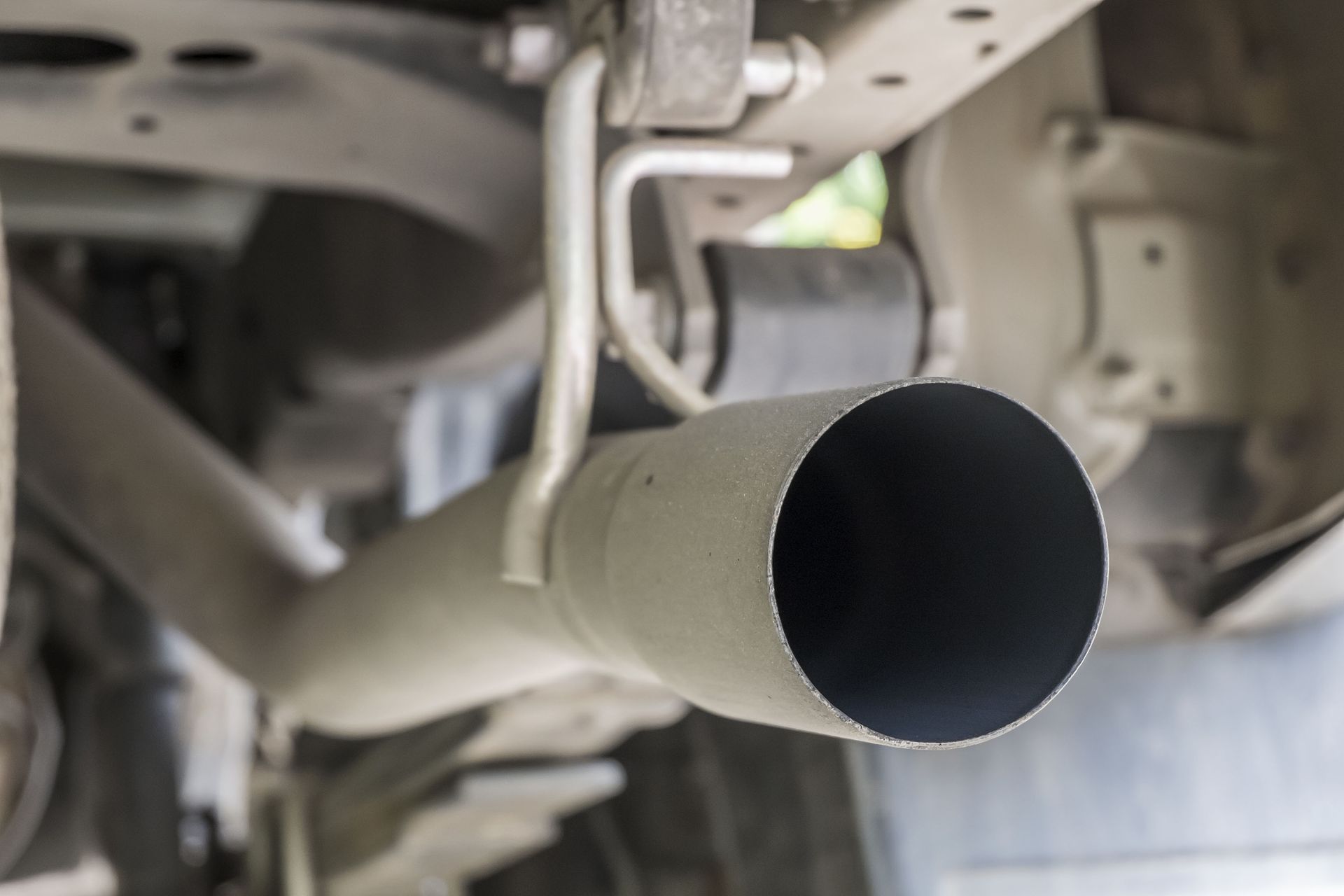
The exhaust manifold is one of the first components involved in moving combustion gases away from the engine. It collects gases from the engine cylinders and directs them toward the rest of the system. From there, the gases typically pass through components such as the catalytic converter, resonator, and muffler. The catalytic converter helps reduce certain harmful pollutants before they leave the vehicle. The muffler is designed to reduce the sound created by rapidly expanding gases. Pipes and hangers connect these parts while keeping the system properly positioned beneath the vehicle. Since the entire system works as a chain, damage to one component can affect the performance of others. Learning how these parts work together gives drivers a better understanding of why routine inspections matter.
Recognizing How Mufflers Control Sound
A muffler is specifically designed to make engine operation quieter by managing sound waves created during combustion. Inside the component, chambers and passages help redirect and reduce those sound waves before gases reach the tailpipe. The design allows gases to continue moving through the system while limiting excessive noise. According to the Environmental Protection Authority Victoria, adding a muffler to an exhaust system can lower noise levels by approximately 15 to 25 decibels. This illustrates why a properly functioning muffler can make a significant difference in overall vehicle noise. A damaged muffler may produce a loud rumbling, roaring, or rattling sound while driving. Replacing a worn component can restore quieter operation and help prevent additional damage.
Monitoring Changes in Vehicle Sound
Unusual noises are often among the earliest signs of a problem beneath your vehicle. A deep rumble may indicate a hole or crack in a pipe or muffler. A hissing sound can suggest a leak near a connection or another component. Rattling may occur when internal muffler parts break apart or when a hanger becomes loose. A sharp ticking noise near the engine could point to an issue with the manifold or an early leak. Paying attention to when the sound occurs can provide useful information about the problem. For example, a noise that changes with acceleration may require a different diagnosis than a rattle heard while idling. Drivers should not ignore sudden changes because small problems can become more complicated over time.
Understanding the Importance of Proper Airflow
The exhaust system must move combustion gases away from the engine efficiently. Restrictions can interfere with this process and potentially affect engine performance. A clogged catalytic converter, damaged pipe, or collapsed internal component may limit the movement of gases. Drivers might notice sluggish acceleration, reduced fuel economy, or difficulty maintaining speed. In some cases, the vehicle may feel as though it is struggling under load. Proper airflow is important because the engine relies on a balanced process of taking in air, burning fuel, and removing combustion gases. When that balance is disrupted, the vehicle may not operate as efficiently as it should. A professional inspection can help identify restrictions that may not be visible from outside the vehicle.
Checking for Leaks and Visible Damage
Leaks can develop in many areas, including pipes, joints, manifolds, and mufflers. Road salt, moisture, age, and repeated exposure to high temperatures can contribute to corrosion. Physical impacts from road debris can also bend or damage components underneath the vehicle. A leak may sometimes leave visible soot around a damaged area. In other situations, the problem may only become noticeable through unusual sounds or odors. Since many components are located underneath the vehicle, drivers may not see damage during a quick walk-around. A professional inspection can identify concerns that are difficult to spot without lifting the vehicle. Addressing damage early may help prevent a small repair from developing into a larger system problem.
Watching for Unusual Odors
Strange odors can provide another warning that something may be wrong with the vehicle's emissions system. Exhaust gases should be directed safely away from the passenger compartment. If fumes enter the cabin, the situation requires prompt attention. Drivers may notice unusual smells while idling, driving with the windows open, or sitting in traffic. Odors can sometimes indicate a leak, a damaged component, or another issue that requires diagnosis. The location of the smell may also provide clues, although drivers should avoid attempting to inspect hot components themselves. If fumes are noticed inside the vehicle, it is important to arrange an inspection as soon as possible. A functioning system should direct gases away from occupants rather than allowing them to collect inside the cabin.
Maintaining the Catalytic Converter
The catalytic converter is an important part of the emissions-control system. It helps convert certain harmful pollutants into less harmful substances before gases leave the vehicle. Problems with the converter may trigger a warning light on the dashboard. A vehicle may also experience poor acceleration or reduced fuel economy when the component becomes restricted or damaged. In some cases, unusual rattling may occur if the internal material has broken apart. Catalytic converter problems can sometimes be connected to other engine issues, such as misfires or improper fuel delivery. Fixing the underlying cause is important because replacing the converter alone may not solve the larger problem. Regular maintenance can help reduce the likelihood of conditions that damage emissions components.
Understanding the Impact of Corrosion
Corrosion is one of the most common threats to components located underneath a vehicle. Moisture can collect around joints and seams, while road salt can accelerate the deterioration of metal. Repeated heating and cooling cycles can also place stress on the materials. Over time, rust may create small holes that gradually become larger. Corrosion can affect pipes, mufflers, brackets, and other parts of the system. A vehicle that is regularly driven in wet or salty conditions may require closer attention to undercarriage components. Spotting surface rust does not always mean immediate replacement is necessary, but advanced corrosion deserves professional evaluation. Routine inspections can help determine whether a component can be repaired or needs to be replaced.
Paying Attention to Dashboard Warnings
Modern vehicles use sensors to monitor emissions and engine-related functions. When the computer detects a problem, a warning light may appear on the dashboard. A check engine light can sometimes be connected to an emissions issue, although it may also have other causes. Drivers should avoid assuming that the vehicle is safe to ignore simply because it continues to run normally. Some problems produce few noticeable symptoms during the early stages. A diagnostic scan can help identify stored trouble codes and guide further testing. Addressing a warning promptly may prevent the issue from affecting other components. When a warning light appears alongside unusual sounds, odors, or performance changes, scheduling an inspection becomes even more important.
Choosing the Right Replacement Components
When repairs are necessary, replacement components should match the vehicle and its intended use. Different vehicles require specific sizes, connections, materials, and emissions equipment. The correct part should fit properly and work with the rest of the system. A poorly fitting component can create leaks, noise, or clearance problems. Drivers should also consider the quality and durability of replacement parts. The right solution depends on the vehicle's condition, the failed component, and the owner's driving needs. Professional guidance can help ensure that repairs address the actual cause of the problem rather than only the most obvious symptom. Proper installation is equally important because even a quality component may not perform correctly if it is installed improperly.
Scheduling Regular System Inspections
Routine inspections can help identify problems before they become major repairs. A technician can examine components for rust, loose connections, cracks, leaks, and other forms of damage. Inspections are especially useful when a vehicle begins making unfamiliar sounds or showing changes in performance. Drivers who frequently travel over rough roads may also benefit from checking undercarriage components more often. Regular maintenance can help keep the system properly secured and functioning as intended. An inspection may also reveal issues with hangers, brackets, or connections that are easy to overlook. Taking action early can help drivers avoid being surprised by a sudden failure.
When your vehicle develops unusual noises, leaks, odors, or performance concerns, professional service can help identify the cause and determine the right repair. East Side Exhaust Inc provides dependable automotive solutions for drivers who need knowledgeable assistance with their vehicle's exhaust system. Contact us today to schedule an inspection and keep your vehicle operating safely, smoothly, and efficiently.

Share On: