Brake Pads vs. Brake Rotors: What’s the Difference?
Braking is one of those parts of driving that happens so often it fades into the background—until something feels off. A slight squeal, a longer stopping distance, or a pulsing sensation in the pedal can quickly shift attention back to what’s happening inside the brake system. At that point, most drivers start hearing terms like brake pads and brake rotors, often without fully understanding how they work together.
That confusion is common, especially since both components wear over time and both are addressed during routine brake services. While they’re closely connected, they serve very different roles in how a vehicle slows down and comes to a stop. Understanding that difference helps make sense of what technicians look for during brake services and why certain parts get replaced more often than others.
How Brake Pads and Rotors Work Together
The braking system relies on friction to slow a vehicle, and brake pads and rotors are at the center of that process. When the brake pedal is pressed, the pads clamp down on the rotors, creating the friction needed to reduce speed. This friction converts kinetic energy into heat, which is then dispersed through the braking components. Over repeated use, that heat and pressure gradually contribute to normal wear on both parts.
During brake services, technicians evaluate how both components are interacting. Brake pads are designed to wear down over time, while rotors are built to last longer but still require attention. Brake services focus on ensuring this relationship stays balanced for safe stopping performance.
What the Role of Brake Pads Is in Stopping Power
Brake pads are the first line of contact in the braking system. They are made of friction material that presses against the rotor when the brakes are engaged.
Because they are designed to absorb friction, brake pads naturally wear out faster than other components. Routine brake services often identify pad wear early, which helps prevent damage to surrounding parts. Brake services typically include measuring pad thickness and checking for uneven wear patterns.
What Brake Rotors Actually Do
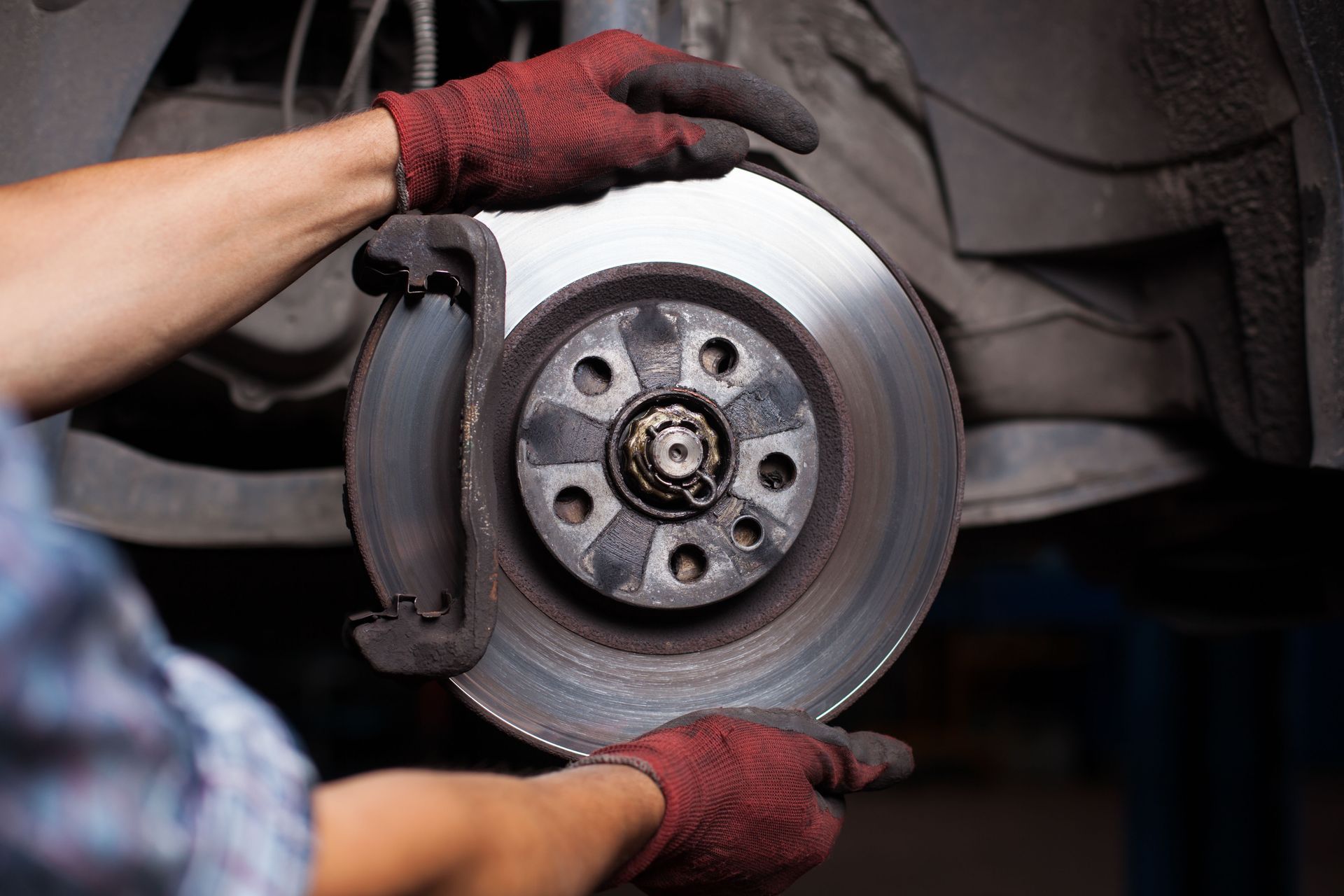
Brake rotors are the large metal discs that the brake pads clamp onto. They rotate with the wheels and provide the surface that allows friction to occur.
Over time, rotors can develop grooves, warping, or uneven surfaces due to heat and repeated pressure. Brake services assess rotor condition to determine whether resurfacing or replacement is needed. Brake services ensure that rotors maintain a smooth surface for consistent braking performance. These issues can also lead to reduced contact between the rotor and brake pads, affecting overall stopping efficiency. In some cases, the wear pattern can indicate underlying stress in the braking system that needs attention.
How Wear Patterns Develop
Brake pads and rotors wear differently, even though they work together. Pads wear down gradually, while rotors typically show wear through surface changes rather than material loss alone.
Brake services help identify early signs of uneven wear, which can indicate alignment or system issues. Technicians performing brake services often look for patterns that suggest one component is affecting the other. Catching these patterns early helps avoid more extensive repairs later. It can also help pinpoint driving conditions or habits that may be accelerating wear. Over time, this kind of insight supports more balanced and predictable brake performance.
Why Brake Pads Wear Out Faster
Brake pads are designed to be the sacrificial component in the braking system. They take on the majority of the friction each time the brakes are applied.
Because of this, brake pads typically need replacement more frequently than rotors. According to Bankrate, car brakes should be serviced every 10,000 to 20,000 miles. Brake services performed within this range help ensure pads are replaced before they compromise rotor health. Brake services also help extend the life of other braking components.
What the Impact of Heat Is on Brake Components
Braking generates heat, and that heat affects both pads and rotors. Under normal driving conditions, the system is designed to manage this heat efficiently.
However, repeated heavy braking can increase wear and lead to surface changes on rotors. Brake services evaluate whether heat has caused warping or glazing. Brake services often include recommendations to address heat-related wear before it affects performance.
What the Common Signs of Brake Pad Wear Are
Brake pads often provide early warning signs when they are nearing the end of their lifespan. These can include squealing sounds, reduced responsiveness, or changes in pedal feel.
Brake services are typically recommended as soon as these signs appear. Technicians use brake services to measure remaining pad material and determine whether replacement is needed. Ignoring these signs can lead to rotor damage over time.
What the Common Signs of Rotor Issues Are
Rotor problems tend to feel different from pad issues. Drivers may notice vibrations in the steering wheel or a pulsing sensation when braking.
Brake services help identify whether rotors are warped, uneven, or excessively worn. Brake services also check for scoring or grooves that affect contact with the brake pads. Addressing rotor issues early helps maintain smooth braking performance. These inspections can also reveal heat-related damage that isn’t always visible at first glance. Catching those issues early helps prevent vibration and stops inconsistencies from getting worse over time.
How Maintenance Helps Extend Brake Life
Regular maintenance plays a major role in how long brake components last. Driving habits, road conditions, and vehicle load all influence wear rates.
Brake services provide an opportunity to monitor both pads and rotors before issues escalate. During brake services, technicians can make adjustments or replacements that help extend the overall life of the system. Consistent brake services also help maintain balanced braking across all wheels.
Why Both Components Matter for Safety
Brake pads and rotors work as a team, and neither can function properly without the other. When one component is worn, the entire system becomes less effective.
Brake services ensure that both parts are working together as intended. Brake services also help maintain consistent stopping distances and predictable braking behavior. This balance is essential for safe everyday driving. It also helps reduce uneven wear that can shorten the lifespan of both pads and rotors. Regular evaluations make it easier to catch small issues before they turn into larger repair needs.
For drivers looking to maintain reliable braking performance, East Side Exhaust Inc provides professional brake services that include inspection, maintenance, and replacement of key braking components. Their team focuses on identifying wear early and helping drivers stay ahead of potential issues.
The brake system is more than just pads and rotors, but those two components often receive the most attention because they wear most directly. Understanding how they interact helps drivers make more informed decisions about maintenance. Other parts like calipers, brake fluid, and hydraulic lines also play an important role in overall performance. When the full system is considered together, it becomes easier to understand why consistent inspections matter over time.
Brake services bring everything together by evaluating the full system rather than isolated parts. Brake services help ensure that pads, rotors, and supporting components are all functioning properly under real driving conditions.
As vehicles continue to evolve, braking systems remain one of the most important safety features on the road. Staying consistent with brake services helps maintain that safety and keeps both pads and rotors performing as expected over time.


Share On: