Why Regular Brake Maintenance Saves You Money
Discover the financial benefits of regular brake maintenance and how it helps avoid costly repairs and ensure safety on the road. Regular upkeep of your vehicle's braking system is a crucial component in not only maintaining safety standards but also reducing long-term expenses. Negligence in this area can result in disastrous outcomes both on financial fronts and in physical safety. By understanding the intrinsic value of preventive measures, we can navigate through various challenges automobile owners face today. This article aims to explore the diverse aspects that underline the importance of regular brake maintenance.
Understanding the Basics of Brake Systems
Types of Brake Systems
Brake systems play an integral role in vehicle safety, predominantly divided into categories like disc and drum brakes. Disc brakes, which consist of a caliper, rotor, and pads, are more prevalent in modern vehicles because of their efficiency and performance. On the other hand, drum brakes, containing a drum and brake shoes, are typically located in the rear wheels of cars due to cost-effectiveness. Hybrid systems may also be found in certain vehicles, combining both technologies for optimized performance. Recognizing these types helps in understanding potential maintenance needs specific to each kind.
The type of brake system your vehicle employs directly influences how quickly components wear out. For instance, disc brakes dissipate heat more effectively than drum systems, offering better performance under severe conditions. This improved functionality translates into different maintenance schedules and costs. Knowing whether your car is predominantly disc-based or drum-based can guide appropriate upkeep actions. Tailoring maintenance based on these types ensures prolonged system longevity and reliability.
Technological advancements have introduced electronic braking among other innovations, which include anti-lock braking systems (ABS) and regenerative braking for electric vehicles. These systems aim to enhance safety by improving tire-road friction and contribute to energy conservation. Despite the complexities, these modern enhancements still rely on fundamental braking principles. Ensuring these advanced systems function well requires equally advanced and regular maintenance routines. Being aware of the system type and its technological features is a critical first step in maintaining optimal performance.
Key Components of a Brake System
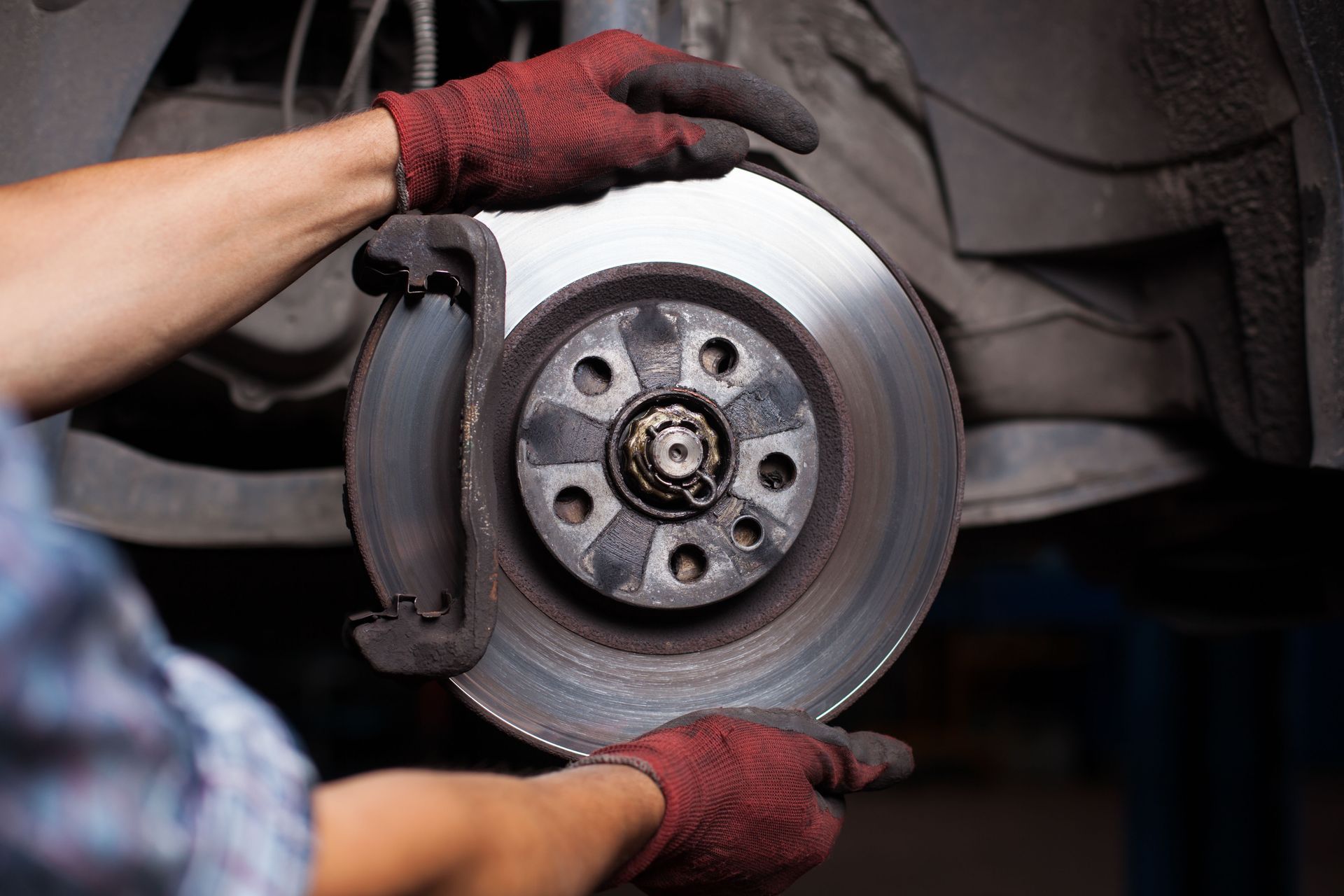
Beyond system types, understanding key components within brake systems is vital for effective maintenance. The brake pads, for example, are the elements that make contact with the rotors or drums to create friction and slow the vehicle down. Over time, the friction materials within these pads wear out, necessitating timely replacement to prevent damage to other components. Additionally, rotors should be regularly inspected for wear and surface damage, which can complicate braking efficiency. Calipers, responsible for squeezing the pads against the rotors, must also be checked for hydraulic leaks or mechanical failures.
Brake fluid is another critical component, serving as the hydraulic medium pushing the components into action when you step on the pedal. This fluid can absorb moisture over time, which reduces its efficacy and affects overall braking performance. Keeping brake fluid at optimal levels through periodic checks can prevent many braking issues. Brake lines and hoses, meanwhile, transfer hydraulic pressure and must be free from corrosion or leakage to function properly. Adequate inspection of these components ensures a well-performing braking system and avoids costly repairs.
Each element within the braking system has an expected lifespan, affected by driving habits and environmental conditions. For example, urban driving with frequent stops can wear down pads more quickly, while highway driving extends their life. According to Cars, brake components may last only 15,000 to 30,000 miles in city conditions but exceed 70,000 miles or more on highways. Thus, knowing the interaction and health of these major components provides insights into the necessary frequency of maintenance. This proactive understanding can significantly affect both performance and costs.
How Brakes Work
Brakes work by converting kinetic energy into heat energy, allowing your car to slow down through friction. When you press the brake pedal, a lever pushes a piston into the master cylinder filled with brake fluid. This fluid is forced through brake lines, creating pressure that applies force to brake pads or shoes. These subsequently press against the rotors or the drum, creating friction and reducing vehicle speed. Understanding this process illustrates why maintaining clean and functioning components is essential.
Temperature management is critical in this process, as excessive heat can lead to brake fade, reducing the system's efficiency. Ventilation systems within disc brakes help in dissipating heat faster than drum brakes, emphasizing why many modern cars use disc brakes in at least the front wheels. This focus on heat management ensures reliable and consistent braking under various conditions. Effectively managing this thermal energy through regular inspection of brake pads and rotors can help mitigate risks. Familiarity with this process aids in better understanding the necessity for consistent brake checks.
The hydraulic and mechanical frameworks cooperate seamlessly to bring a vehicle safely to a stop. Imperfections in any part of this intricate mechanism can introduce inefficiencies, making the system less responsive, potentially hazardous in emergency situations. Identifying signs of wear early, whether through pedal feel or car pulling, is crucial. Through regular inspection and maintenance, one can prevent more extensive issues. Adopting this preventative approach ensures that your braking system remains functional and safe, avoiding costly overhauls.
Signs Your Brakes Need Maintenance
Detecting signs that your brake system needs maintenance is instrumental in preventing failures. Common signs include a squealing or grinding noise when applying brakes, indicative of worn brake pads. Vibration or pulsation in the pedal can also suggest warped rotors or other underlying issues. Additionally, a soft or spongy brake pedal might signal air within the hydraulic lines or a significant fluid leak. Swiftly addressing these symptoms can prevent severe damage and maintain braking efficiency.
The dashboard brake warning light should never be ignored, as it often points to potential system malfunctions. Experiencing a sudden decrease in braking power or an increase in stopping distance also warrants immediate inspection. Continuous observation and early diagnosis of any irregularities can go a long way in averting major repairs. Regular consultation with your vehicle's maintenance manual helps in understanding recommended service intervals. By staying vigilant, you protect both your financial interest and personal safety.
Environmental factors like rain or icy conditions can also exacerbate braking inefficiencies. Notably, changes in vehicle behavior under such conditions might indicate emerging issues. Observing how your brakes perform under both regular and adverse conditions ensures timely intervention. The combination of auditory, tactile, and visual cues equips vehicle owners with the information needed for preemptive maintenance. Recognizing these signs allows for immediate action, avoiding financial and safety pitfalls.
Common Misconceptions About Brakes
Misunderstandings about brake systems can impede proper maintenance and potentially harm performance. A common myth involves assuming that all squeaking involves impending failure, while sometimes this may simply be due to harmless vibrations. Additionally, some may believe expensive parts are better, but in reality, compatibility with your specific brake system is what truly matters. It’s also a misconception that brake fluid never needs changing, whereas regular fluid checks are vital for healthy braking systems. Dismissing these misconceptions is crucial for informed decision-making.
Another prevalent misconception is that washing brakes removes all dust and grime, yet this only cleans the surface without addressing internal buildup. Likewise, many assume brake components last the lifespan of the vehicle, ignoring wear patterns that vary significantly depending on driving habits and conditions. For instance, frequent stop-and-go traffic notably reduces brake component lifespans. Misunderstanding lifetime estimates can lead to misjudged maintenance schedules. Bringing clarity to these misconceptions ensures an accurate approach to brake care. Be sure to reach out to East Side Exhaust Inc today for more information on our professional brakes!


Share On: