How Brake Services Can Identify Brake Hose Problems
Braking problems can affect a vehicle's ability to slow down and stop as intended, creating concerns for drivers during routine trips and unexpected driving situations. Worn components, damaged brake lines, and other mechanical issues may contribute to changes in braking performance, making it important to recognize potential warning signs. Drivers may notice unusual noises, changes in brake pedal feel, dashboard warning lights, or fluid beneath a parked vehicle. Although these symptoms can indicate a problem with the braking system, they may have different causes and require an appropriate evaluation.
Understanding the purpose of brake inspections can help drivers recognize when a vehicle needs attention and determine which repairs may be necessary. Brake diagnostics, repairs, and component replacements address different concerns depending on the condition of the braking system. Learning about common brake problems and available maintenance options can also help drivers better understand what an inspection may involve and why addressing braking concerns promptly matters.
Common Brake System Problems
Recognize Brake Warning Signs
Changes in braking performance can indicate that one or more components need attention. Drivers may notice unusual noises, changes in pedal feel, warning lights, or reduced stopping performance. Fluid leaks beneath a vehicle can also indicate a problem involving the braking system. Because these symptoms can have different causes, an inspection can help identify affected components and determine which repairs may be necessary.
Identify Worn Brake Components
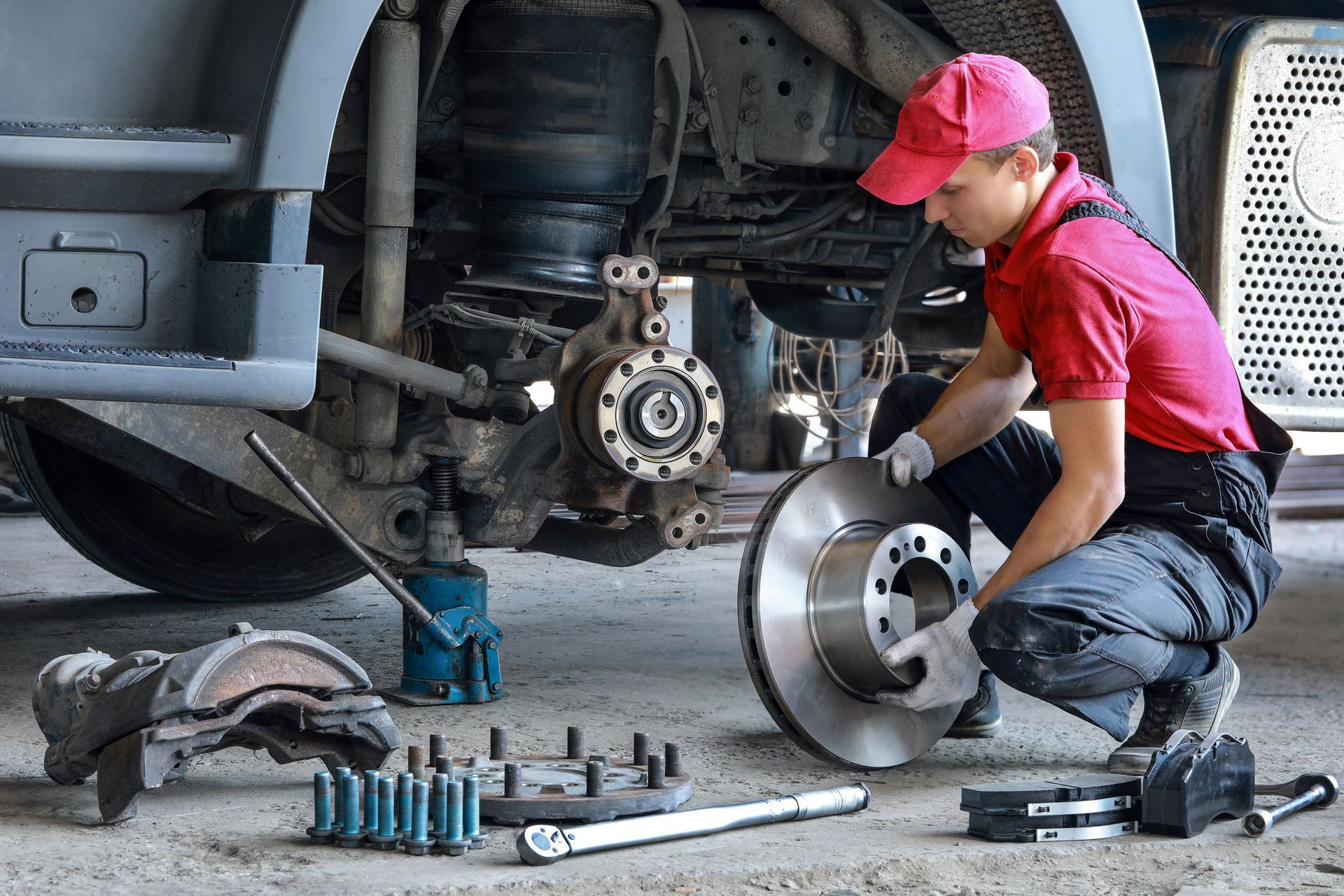
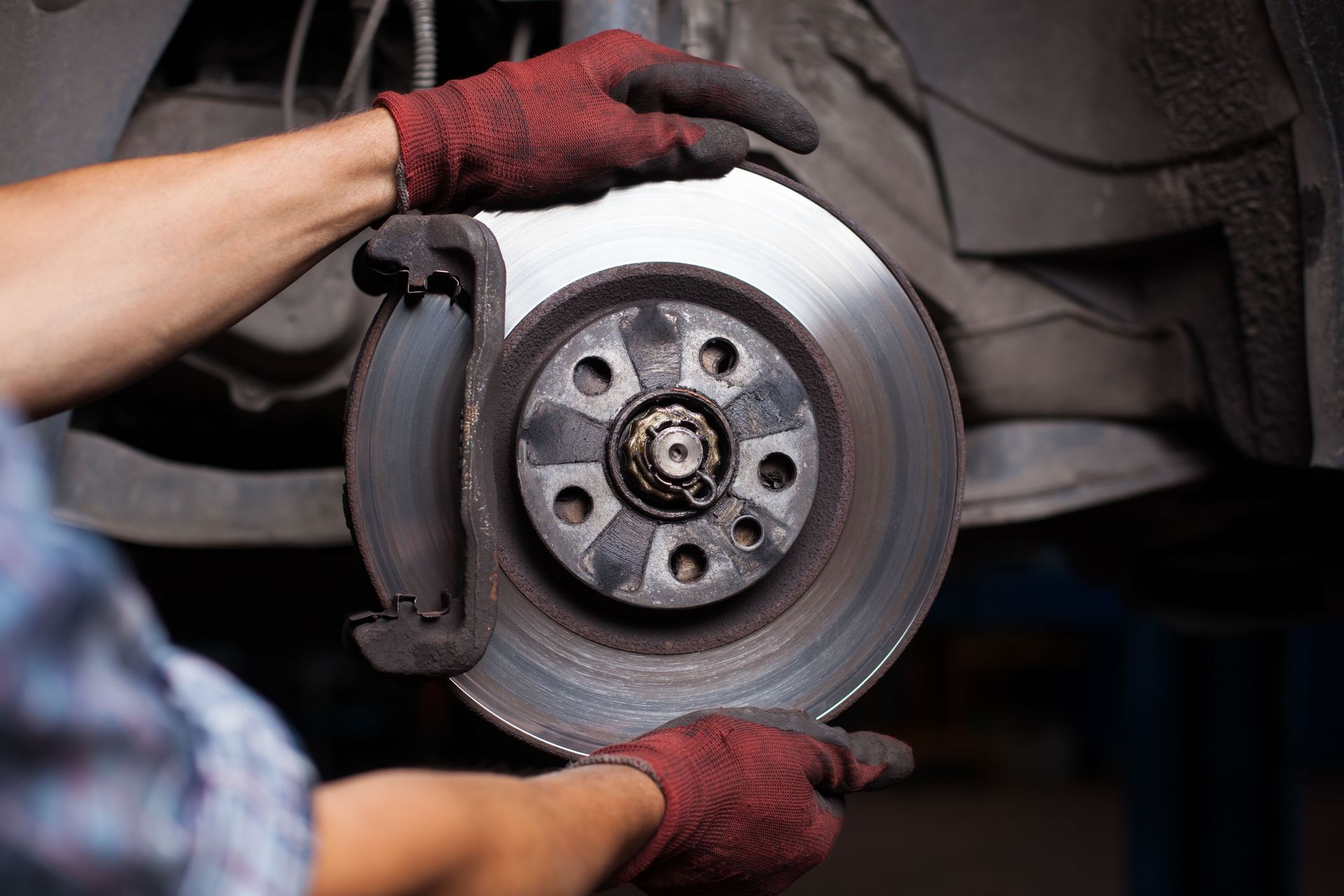
Brake pads and rotors are important components of a vehicle's braking system. Over time, these parts can wear or become damaged, affecting braking performance. Calipers can also develop problems that interfere with their operation. Inspections help identify visible wear and damage, allowing the appropriate repair or replacement to be determined based on the condition of the affected parts.
Uneven wear, visible damage, and changes in braking response can help indicate when these components need closer attention. Drivers may notice squealing sounds, grinding noises, or vibrations when applying the brakes, although these symptoms can have multiple causes. Having worn or damaged parts evaluated helps determine whether repairs or replacements are necessary to maintain the braking system's intended operation.
Address Brake Line Problems
Brake lines carry fluid through a vehicle's hydraulic braking system. Damage or corrosion affecting these lines can contribute to fluid leaks and braking problems. Visible fluid beneath a vehicle or changes in braking performance may indicate a concern that requires attention. Brake line repairs and replacements address problems involving these components, while an evaluation helps establish the nature of the issue and determine the appropriate service.
Understand Master Cylinder Issues
The master cylinder helps generate hydraulic pressure within a vehicle's braking system. Problems involving this component can affect braking operation. Changes in pedal feel or braking performance may indicate an issue that needs further evaluation, although these symptoms can have other causes. Master cylinder repairs can address problems involving this component once the cause has been identified.
Essential Brake Inspection Services
Inspect Brake Pads and Rotors
Brake pads and rotors work together to create the friction needed to slow a vehicle. Worn pads or damaged rotors can affect braking performance and may require replacement. Brake inspections help identify concerns involving these components and determine whether service is necessary. Replacing worn or damaged parts addresses the specific issues identified during an evaluation.
Evaluate Caliper Condition
Brake calipers apply pressure to the brake pads during braking. When a caliper malfunctions, it can interfere with the braking system's operation. An inspection can help identify caliper problems and establish whether repair or replacement is appropriate. The condition of the affected component and the symptoms observed help determine the next steps.
Caliper issues can affect how evenly braking force is applied to the wheels. Drivers may notice pulling to one side, unusual noises, or uneven brake pad wear, though these symptoms can also point to other problems. A professional evaluation can help identify the source of these changes and determine whether caliper repairs or replacement are needed.
Investigate Brake System Symptoms
Brake diagnostics help identify problems affecting braking performance. Warning lights, unusual noises, and changes in how the brakes respond can have different causes, making it important to evaluate symptoms rather than assume a particular component is responsible. An inspection and diagnostic evaluation can help determine whether the concern involves brake pads, rotors, calipers, brake lines, the master cylinder, or another component.
Evaluate Anti-Lock Braking System Concerns
An anti-lock braking system (ABS) helps prevent the wheels from locking during certain braking conditions. An illuminated ABS warning light may indicate a problem that requires evaluation. ABS diagnostics can help investigate concerns involving this system and determine whether additional service is necessary. The appropriate next step depends on the diagnostic findings and the nature of the issue.
An anti-lock braking system helps prevent the wheels from locking during certain braking conditions, allowing drivers to maintain steering control while braking. An illuminated ABS warning light may indicate a problem that requires evaluation, particularly if the light remains on after the vehicle starts. Drivers may also notice changes in braking behavior or other dashboard warning indicators when a braking system issue occurs. ABS diagnostics can help investigate concerns involving this system and determine whether additional service is necessary. Because warning lights can have different causes, identifying the source of the problem is important before deciding on repairs. The appropriate next step depends on the diagnostic findings and the nature of the issue. Prompt attention to warning indicators can help drivers understand the condition of the braking system and determine which services may be needed.
Appropriate Brake Repair Options
Determine Whether Repairs Are Needed
The appropriate brake service depends on the condition of the affected components and the symptoms a vehicle exhibits. Some concerns may require repairs, while worn or damaged parts may need replacement. Available services include brake pad and rotor replacement, caliper repair and replacement, brake shoe and drum replacement, brake line repair and replacement, and master cylinder repairs. An evaluation helps establish which services may address the identified problem.
Recognize When Brakes Need Attention
Drivers should pay attention to changes in braking performance, unusual noises, warning lights, and visible fluid leaks. These symptoms may indicate a problem that requires prompt evaluation. According to NHTSA's April 2026 recall progress report, 31,689 Porsche vehicles were included in a safety recall involving front brake hoses that could crack and leak fluid. By April 10, 2026, 28,983 vehicles had been remedied. Because different issues can produce similar symptoms, identifying the cause is an important step in determining the appropriate repair.
Maintain Brake System Condition
Regular brake inspections can help identify wear and damage affecting braking components. Vehicle maintenance schedules and manufacturer recommendations can help guide routine inspections, while noticeable changes in braking performance warrant prompt attention. Seasonal vehicle preparation can also include brake inspections when evaluating a vehicle's readiness for changing driving conditions. The services needed depend on the vehicle's condition and the findings of an inspection.
Professional Brake Service Options
Understand Available Service Options
Brake inspections, diagnostics, repairs, and component replacements address different issues affecting a vehicle's braking system. Understanding the symptoms and identifying the affected parts helps clarify which services may be appropriate. Drivers can discuss their concerns with an automotive repair provider to understand the recommended work and available repair options. Choosing suitable brake services starts with identifying the issue and evaluating the condition of the relevant components.
East Side Exhaust Inc. provides brake inspections, diagnostics, repairs, and component replacements in Green Bay, Wisconsin, and surrounding areas. From worn brake pads and rotors to brake line and master cylinder concerns, our shop offers services to address a range of braking issues. Contact East Side Exhaust Inc. to learn more about our available brake services and discuss your vehicle's needs.
Share On: